|
Dear Friends,
Parliament works best when all Members of Parliament work diligently to scrutinize all bills brought before the House of Commons and to hold the government to account. All MPs share this responsibility regardless of their party affiliation if they are not members of the Cabinet. All finance related bills, including the budget and budget implementation bills, are referred to the Finance Committee of which I am a member.
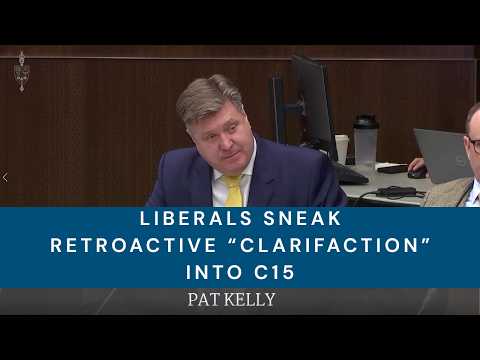
I opposed the budget because of its staggering $78.3 deficit, but my Conservative colleagues and I worked diligently with other parties to ensure that the recent Budget Implementation Act received proper scrutiny without preventing or delaying its passage. We proposed a series of amendments. We tried to delete a portion of the bill that the Liberals put in to retroactively change a 1998 law to avoid compensating veterans who had been denied appropriate medical expense compensation (in some cases for decades), and who had successfully sued the federal government.
The Budget Implementation Act also contained a provision to give Ministers sweeping powers to grant exemption from any federal law or regulation (except the criminal code) to any individual or corporation. The obvious concern is that such powers would inevitably lead to political interference and cronyism beyond even that which is already taking root under the Liberals’ watch. Conservatives convinced the Liberals to amend the bill so that accountability laws like the Conflict of Interest Act, the Auditor General Act, the Privacy Act, the Access to Information Act, the Elections Act and various national security laws would remain outside Minsters’ authority to create “regulatory sandboxes” for project approvals.
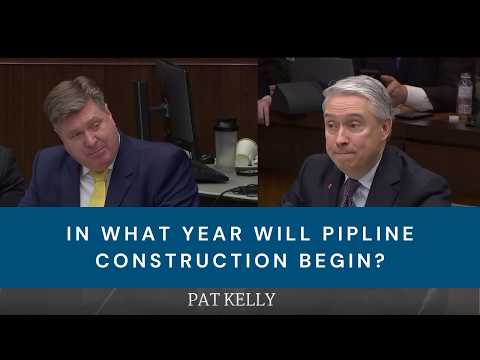
During the hearings on budget implementation I questioned several ministers and officials: |